
Understanding the Impact of Tree Removal on Your Garden
When trees are removed from a landscape, their stumps often remain behind. This can lead to questions about how the removal process affects soil and plant health. The procedure of grinding these stumps down is vital for maintaining a healthy garden environment. Knowing what happens during this process and its effects on the ecosystem around it helps homeowners make informed decisions about their gardens.
The Benefits of Removing Tree Stumps
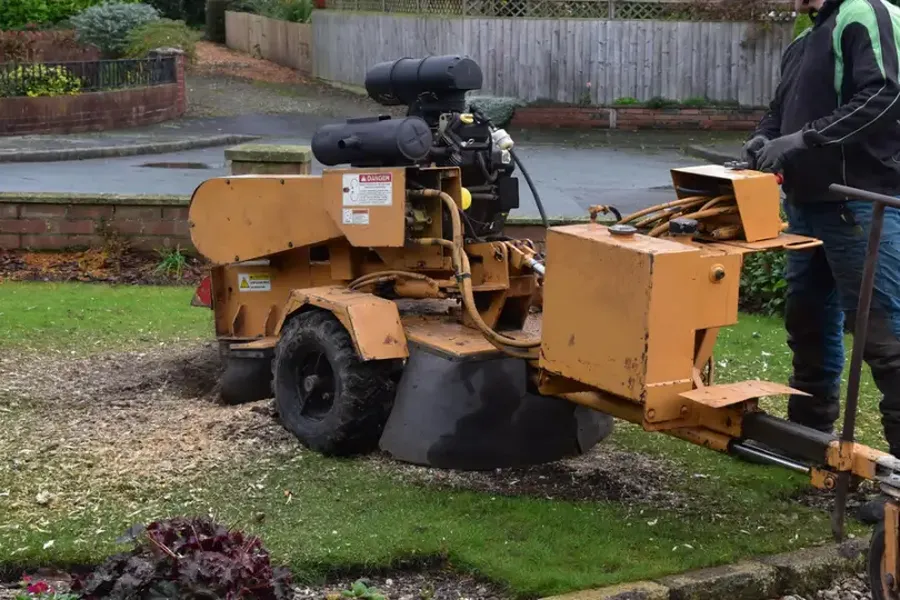
Removing tree stumps provides several benefits to your garden. Firstly, it prevents decay and pest infestations that can harm other plants. Secondly, clearing stumps gives you more space to grow new plants or expand existing ones. Additionally, removing stumps improves the appearance of your yard and makes it safer by eliminating tripping hazards.
Stump Grinding and Its Role in Soil Improvement
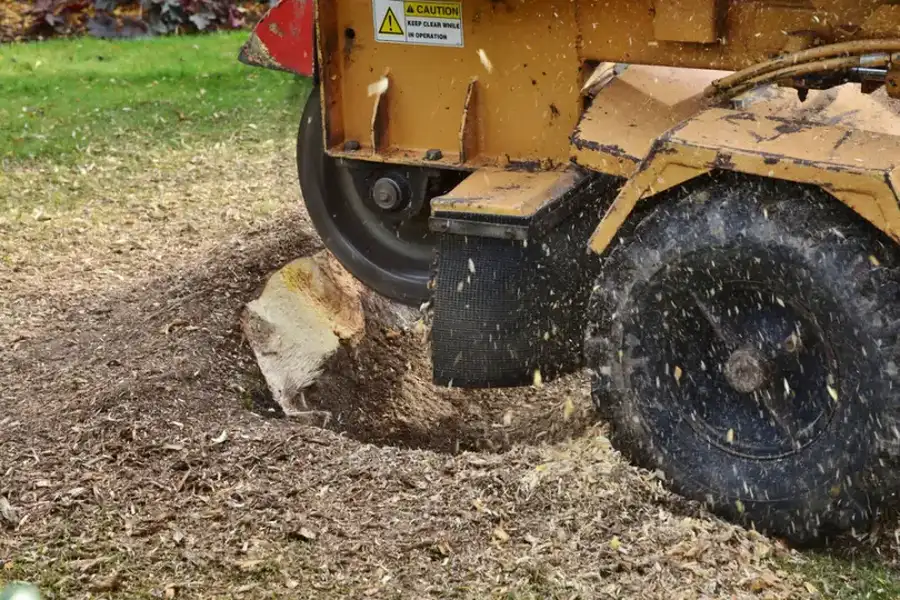
Grinding down tree stumps plays a crucial role in enhancing soil quality. The wood chips produced during the stump grinding process decompose over time and enrich the soil with organic matter. This natural decomposition process boosts nutrient levels, making the soil more fertile and suitable for planting new vegetation.
Exploring Alternatives to Stump Grinding
While stump grinding is a popular method, other alternatives exist as well. Chemical treatments can be used to break down the wood fibers, though they may take longer and pose environmental risks. Manual removal is another option but requires significant labor and equipment. Weighing these choices against each other helps homeowners decide which method best suits their needs.
Challenges and Solutions in Managing Garden Soil Post-Removal
After removing a tree stump, homeowners might face challenges such as uneven ground or depleted nutrients. Filling any resulting holes with topsoil restores level surfaces. Regularly adding compost or mulch replenishes lost nutrients. Homeowners should focus on maintaining soil health through these practices to ensure their gardens thrive.
- Add organic matter like compost to improve soil structure
- Mulch around new plantings to retain moisture
- Test soil pH to maintain optimal growing conditions
Best Practices for Ensuring Healthy Plant Growth After Stump Removal
To promote healthy growth after stump removal, consider planting native species that require minimal maintenance. Regular watering and fertilization also support new plant establishment. Monitoring for pests and diseases allows for early intervention if issues arise. By following these practices, gardeners can encourage robust plant growth.
- Remove any remaining roots carefully to prevent future issues
- Select appropriate plants for the altered landscape conditions
- Implement a regular schedule for watering and feeding
Cost Considerations When Planning Tree Removal and Ground Restoration
Costs associated with stump removal vary based on factors like size and location. While initial expenses may seem high, investing in professional services ensures proper execution without damaging surrounding areas. Evaluating costs against long-term benefits, including enhanced property value and reduced pest risks, will help justify the expense.
Making Informed Choices for Your Garden’s Future
Understanding how stump grinding affects soil and plant health aids in making informed decisions about landscape management. Based in Chapin, SC, our skilled team at Tapia's Tree Experts and Landscaping LLC - Chapin offers expert guidance and services tailored to your needs. Contact us at (803) 919-7296 today to explore how we can assist with your garden projects.